

Understanding Industry 4.0 And The Role Of IIoT In Automation
Since the beginning of time, humans have found a way to survive on Earth. Starting with the discovery of fire, we are here today, in an era of automaticity. We have come a long way, persisting revolutions after revolutions. Talking about revolutions, one of the biggest mankind has witnessed and
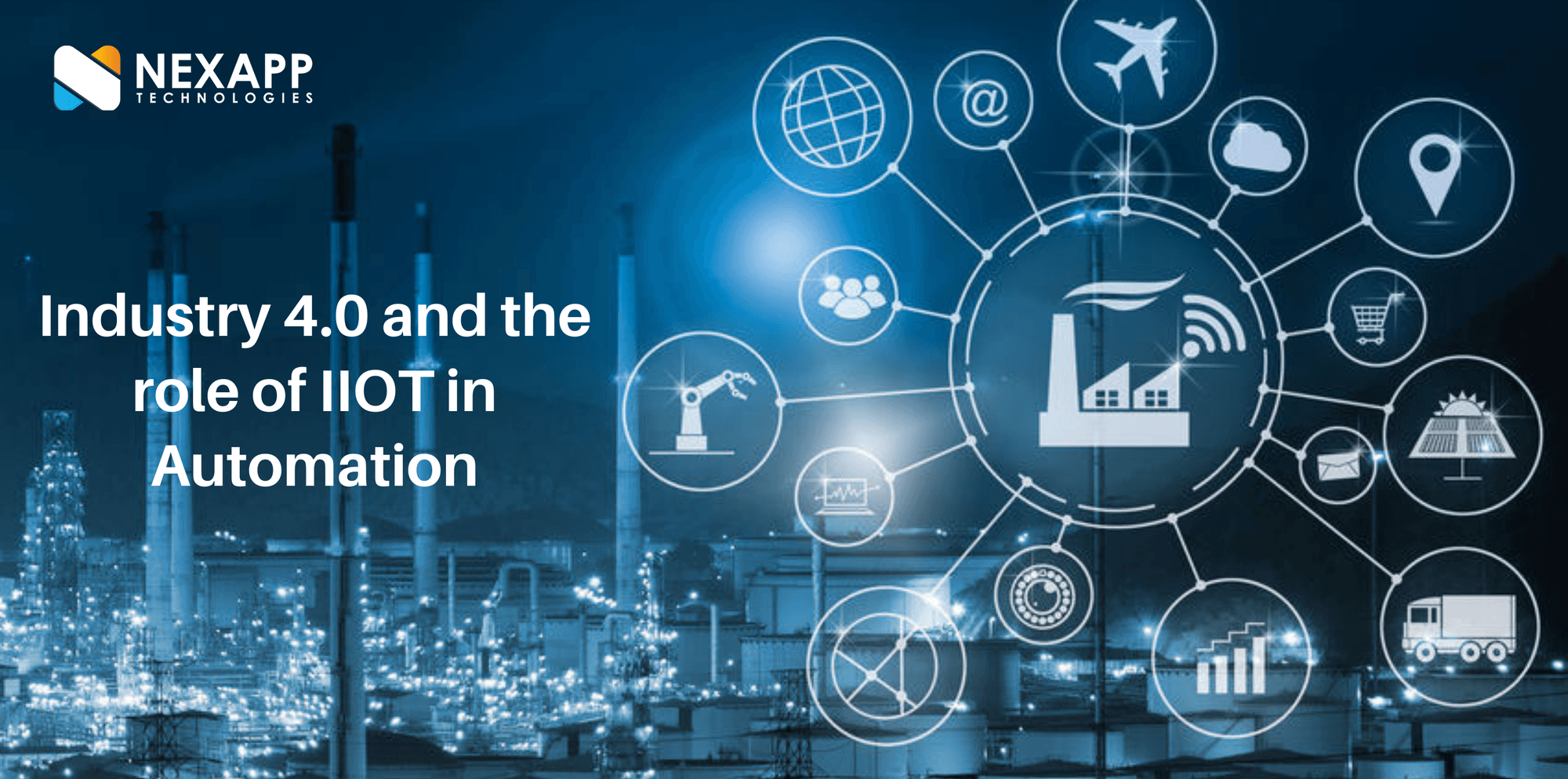
Short answer: Industry 4.0 is the fourth industrial revolution, built on IoT, cloud computing, cognitive computing and cyber-physical systems that share data in real time. IIoT is the part that connects industrial machines to a private network and the cloud. In automation it enables remote access to machines, remote feature updates and predictive maintenance, which improve efficiency and uptime.
Since the beginning of time, humans have found a way to survive on Earth. Starting with the discovery of fire, we are here today, in an era of automaticity. We have come a long way, persisting revolutions after revolutions.
What is Industry 4.0?
Talking about revolutions, one of the biggest mankind has witnessed and will continue to witness in the coming years is the Industrial Revolution. Starting sometime in the 18th and 19th century, still continuing in the 21st century. Bringing us to where we are today, amidst the fourth industrial revolution, also known as Industry 4.0. This revolution mainly comprises of IoT (Internet of Things), cloud computing, cognitive computing and cyber-physical system. All these systems communicate and cooperate with each other as well as with humans in real-time. Industry 4.0 consists of four important design principles. These principles support companies in identifying and implementing 4.0 scenarios. Interconnection, Information Transparency, Technical Assistance and Decentralized Decisions.
What is IIoT?
Industrial IoT in simpler terms is the digital interconnectivity used for massive manufacturing and automation operations. The vast number of machines and devices businesses use that are connected to the internet, in turn forming a closed private internet network through which the devices are connected in a synchronized manner where people can share data, with a focus on improving assets or machinery and handling business-critical data where in case of any failure it could cause a situation of emergency.
IIoT benefits businesses in different ways and gives the organization the scope of using their true business potential. Some of the ways IIoT benefits businesses are –
- Improved operational efficiency
- Reducing errors
- Predictive maintenance
- Increased productivity
- Improving safety and security of data
- Cost reduction
- Enhanced customer experience
- New business models
How has IIoT changed industrial automation?
IIoT has been helping industrial automation create effective, affordable, and flexible systems to customer needs. By connecting industrial equipment to the cloud and sharing real-time data, IIoT has given an immense boost to the businesses and has impacted the efficiency, production and uptime to help develop the next generation machines.
The emergence of IIoT has made some drastic changes in the day to day working of the automation industry. Here are some –
- Remote access to machines – Providing remote access of machines, engineers and other stakeholders can conveniently access the machine from their current/preferred location, and can solve problems within minutes, in turn saving a lot of time.
- Update new functionalities – New feature functionalities are constantly added to the machines to keep them up to date and make the job more efficient and faster. A programmer can easily implement these updates remotely through a secure network platform in just a few clicks.
- Predictive analysis for machine maintenance – Active maintenance is essential, as machines go through a series of wear and tears before finally being changed. This is crucial to prevent downtime and avoid a drop in production output. Using the cloud, engineers can access information on machine parts and can keep track of the remaining useful life of the asset.
Related: secure networking for manufacturing, IoT and M2M connectivity for PLCs and meters and industrial 4G router buying guide.
Frequently asked questions
What is Industry 4.0?
Industry 4.0 is the fourth industrial revolution, in which IoT, cloud computing, cognitive computing and cyber-physical systems work together in real time. Its four design principles are interconnection, information transparency, technical assistance and decentralised decisions.
What is the difference between IoT and IIoT?
IIoT is the industrial part of IoT. It connects machines and devices used in manufacturing and automation, where data is business-critical and a failure can cause an emergency.
How does IIoT help industrial automation?
IIoT lets engineers access machines remotely, push new features to them securely and track the condition of parts for predictive maintenance. This reduces downtime and site visits.
What are the benefits of IIoT for manufacturers?
Benefits include better operational efficiency, fewer errors, predictive maintenance, higher productivity, lower costs and room for new business models.
In the ever-changing world that we live in and being surrounded by automation, IIoT is the way to go. To know more about how Nexapp is playing a role in building a world where IIoT and automation go hand in hand, check out Nexapp for manufacturing.
Related guides
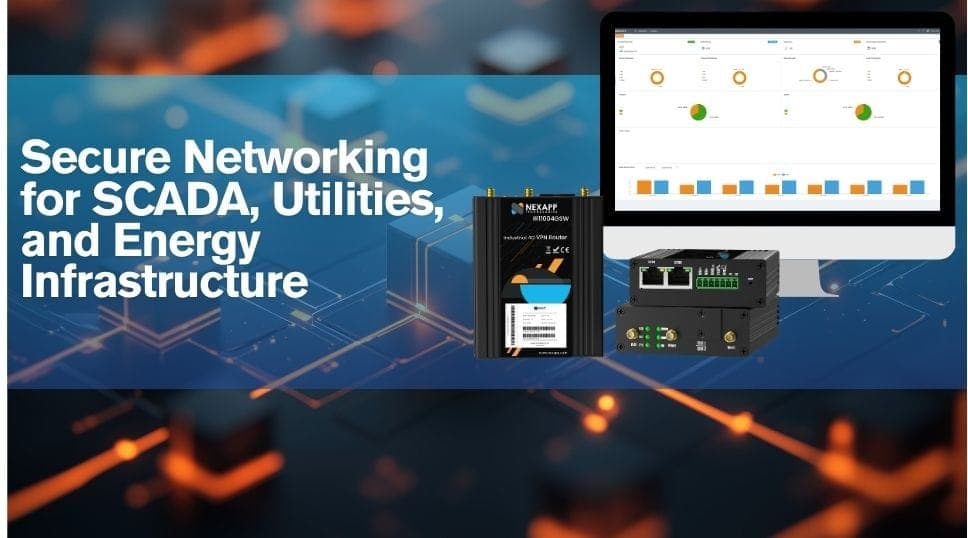
Secure SCADA Networking with a 4G/5G IoT Gateway | Nexapp
How an industrial 4G/5G IoT gateway secures SCADA and utility sites: IPsec tunnels, IEC 104, DNP3 and Modbus, OT/IT segmentation and DIN-rail design.
5G and IoT Security Risks and How to Manage Them | Nexapp
The main 5G and IoT security risks are insecure devices, unencrypted traffic, missed updates and weak authentication. Six practical steps reduce each one.
How IIoT Is Changing Industrial Connectivity | Nexapp
IIoT links industrial sensors, machines and cloud platforms. Learn how it changes connectivity needs, what drives adoption and why security matters.
Talk to a Nexapp architect about Industry 4.0 and the Role of IIoT in Automation | Nexapp
24×7 NOC in Pune · 75,000+ devices deployed · 400+ enterprise and banking customers since 2014.