

Managed Wi-Fi uses in UPI Payments
Serving as the catalyst for the revolution in digital payments, the Unified Payments Interface (UPI) accounted for around 75 percent of the total transaction volume in the retail segment during the fiscal year 2022-23. UPI payment volumes now exceed 75% of all digital payments made in the count
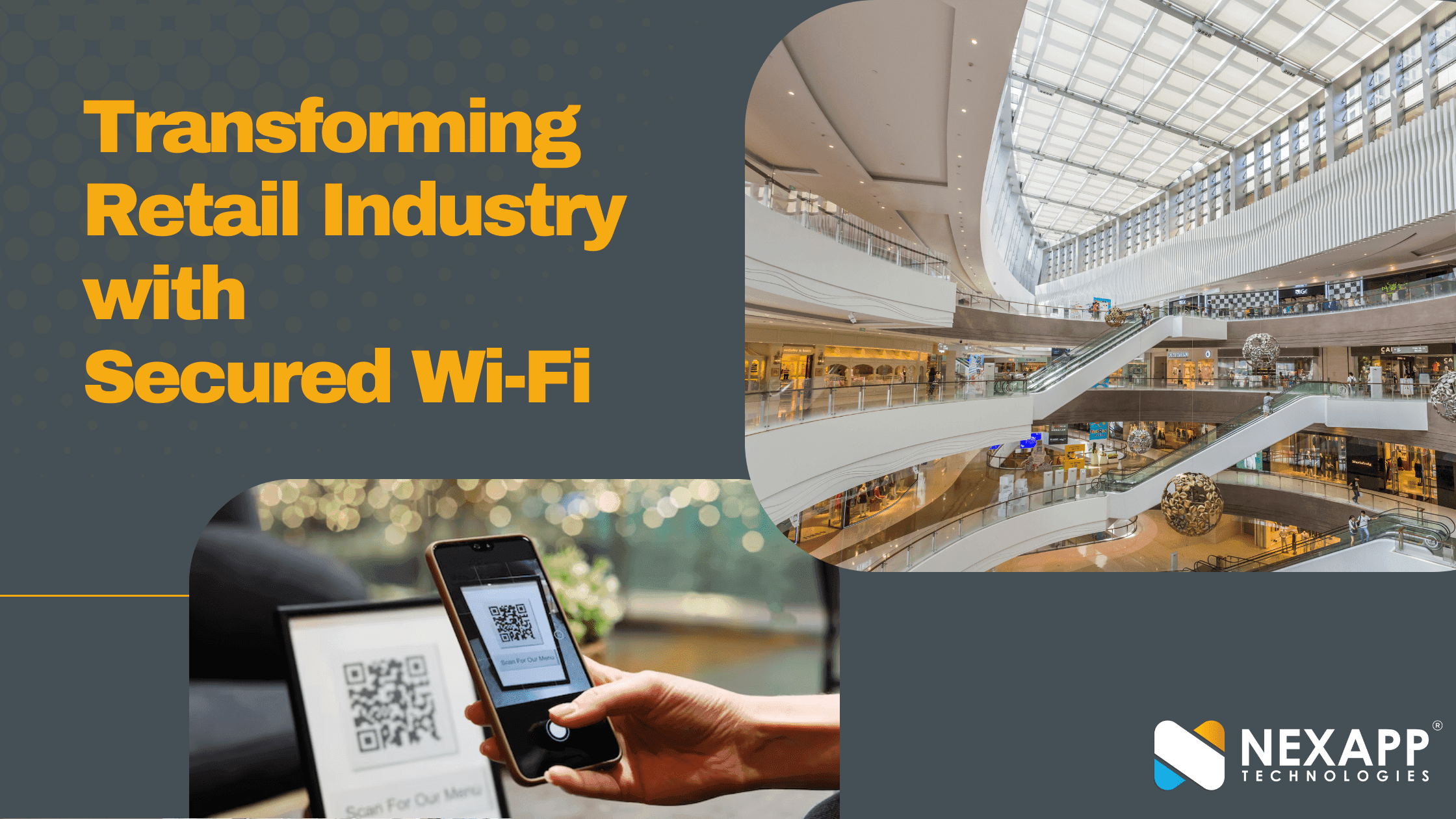
Short answer: Billing counters deep inside malls and large stores often have weak mobile signal, so shoppers' UPI payments fail or queues build up. A managed, secured Wi-Fi hotspot at the counter gives phones a strong local connection. Access to the network is controlled so that it is used for payments.
The Unified Payments Interface (UPI) has become one of the most common ways to pay at Indian retail stores, and a key part of the country’s digital payments.
Why do retailers depend on UPI payments?
The time-saving and user-friendly functionality of UPI has captured the attention of retail enterprises, prompting them to incorporate this convenient payment option to enhance the billing process. The primary objective of these enterprises has always been to ensure customer satisfaction through the integration of modern technology, and UPI has become a pivotal component in achieving this goal, particularly in India, where virtually all retail enterprises now offer UPI payment options, highlighting its significance in the sector.
How does managed Wi-Fi help retail payments?
1. Network reachability
Majorly retail stores are situated in large malls or individual buildings, which can hinder network availability throughout the entire area. Moreover, the billing counters are often located deep inside the stores, resulting in limited network access for consumers’ devices during the payment process. Therefore, managed Wi-Fi aims to address this issue and facilitate smooth app-based payments requiring internet connectivity.
2. Streamlined and reliable connectivity
By implementing managed Wi-Fi, businesses can ensure robust and dependable connectivity, making UPI transactions and other online activities smooth and efficient. This enhances the overall customer experience and convenience. Network to the router can be wired or wireless, with dual sim connectivity for load sharing and continuous internet service.
3. Reduced waiting queues
A fast response time, especially during peak demand periods, is vital to keep customers satisfied. Slow network speeds can lead to frustrating delays in transaction processing, affecting both customers and businesses. Managed Wi-Fi helps in mitigating these issues by optimizing the network infrastructure, minimizing downtime, and offering consistent high-speed connectivity for faster payments.
4. Boosting competitiveness
Businesses gain a competitive edge by providing reliable and efficient payment processing. Customers are more likely to choose establishments that offer quick and hassle-free UPI transactions, contributing to increased loyalty and growth.
5. Secured payment credentials
Retailers can maintain security by segmenting their networks to safeguard payment data, and role-based access ensures that only authorized personnel can access this sensitive information. Regular firewall updates further secure the payment gateways of different platforms.
How does managed Wi-Fi for UPI payments work?
1. Retail companies need to install Wi-Fi booths at billing counters for UPI transactions. This benefits both the customers making payments and the billing staff.
2. While making the payment customer realizes there is less or no connection to make the UPI transaction, then they can go ahead and connect their mobile phone to the retailer’s Wi-Fi available at the Wi-Fi booth.
3. Access to the network is controlled, so that payments are carried out in a protected environment.
In conclusion, by combining the power of UPI with well-managed Wi-Fi infrastructure, retail enterprises can significantly improve payment processing efficiency, enhance customer satisfaction, and remain competitive in the fast-paced digital payment landscape. As UPI continues to shape India’s digital economy, the integration of technologies like managed Wi-Fi will play a vital role in providing customers with a smooth and secure payment experience.
Related: enterprise and guest Wi-Fi, networking for enterprise retail and Instaroute dual-SIM routers.
Frequently asked questions
Why do UPI payments fail inside stores?
Stores inside malls or large buildings often have weak mobile signal, especially at billing counters deep inside the store, so the shopper's UPI app cannot reach the internet.
How does Wi-Fi at the billing counter help UPI payments?
The shopper connects their phone to the store's Wi-Fi at the counter and completes the UPI payment over it.
How is store Wi-Fi for payments kept secure?
The payment Wi-Fi is segmented from the store's internal network, access to it is controlled, and role-based access limits sensitive systems to authorised staff.
What does Nexapp offer for retail Wi-Fi and connectivity?
Nexapp provides enterprise and guest/hotspot Wi-Fi, and Instaroute routers with wired or dual-SIM wireless links for load sharing and continuous internet service at the store.
See Nexapp enterprise Wi-Fi to find out more.
Related guides

SD-WAN Trends: SASE, AI, Multi-Cloud and Edge | Nexapp
Four trends shaping SD-WAN: convergence with SASE, AI-driven automation, multi-cloud connectivity and edge computing, and what each means for your network.
What Does a Modern Branch Network Need? | Nexapp
A modern branch network needs simple central management, diverse WAN links including 4G/5G, SD-WAN traffic steering and layered zero trust security.

SD-Branch for Retail: One Network for Every Store | Nexapp
SD-Branch for retail gives one dashboard for all stores, zero-touch setup for new outlets, separate traffic for shoppers, staff and IoT, and safe payments.
Talk to a Nexapp architect about Managed Wi-Fi for UPI Payments in Retail Stores | Nexapp
24×7 NOC in Pune · 75,000+ devices deployed · 400+ enterprise and banking customers since 2014.